Walk into any STEM classroom today and you will notice a reality teachers know too well: no two students learn at the same pace. Some grasp concepts instantly, others need repetition, and many struggle not with science or math itself, but with the language used to teach it. Instructions, word problems, explanations, and assessments are often in English, creating an additional barrier for learners with varying language abilities.
This challenge is why educators are increasingly turning to AI-powered learning support, not only for STEM concepts but also for language scaffolding. When students ask questions like how to learn English easily or how to start learning English, they are often trying to keep up academically, not just linguistically.
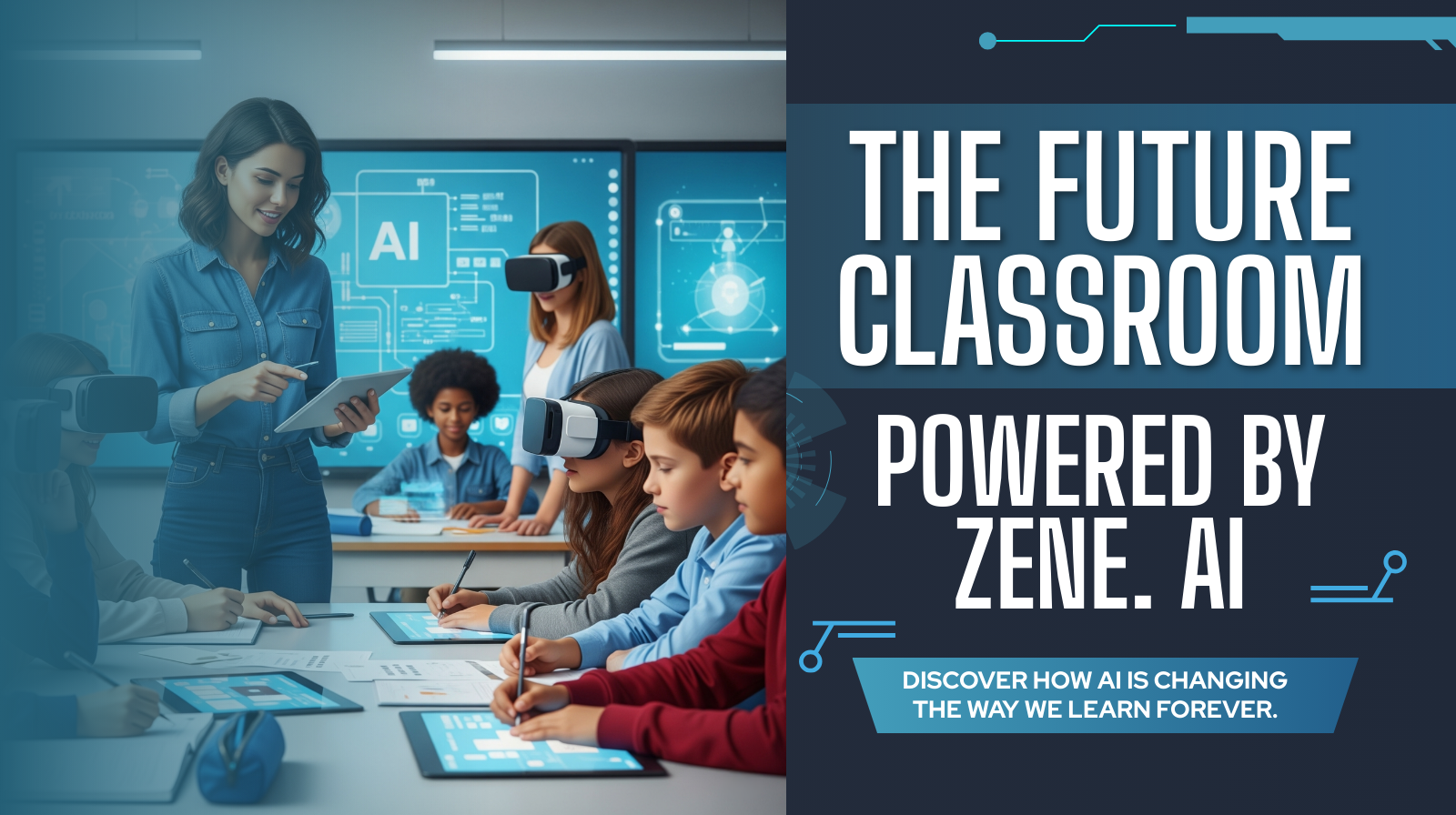
AI-powered learning support helps manage mixed-ability STEM classrooms by personalising instruction, reinforcing English comprehension, and building confidence in communication, allowing every student to progress without slowing down or being left behind.
Why Mixed-Ability STEM Classrooms Are Hard to Manage
Mixed-ability classrooms are not new, but the complexity has increased. Students differ in academic readiness, attention span, confidence, and language exposure. In STEM subjects, this gap widens because understanding depends heavily on vocabulary, instructions, and logical explanations.
A student may understand a science concept but struggle to read the question. Another may know the formula but misunderstand what is being asked. In such cases, the issue is not intelligence or effort, but language access.
Teachers face a difficult balance. Moving too fast leaves some students behind. Slowing down frustrates advanced learners. Traditional one-size-fits-all instruction no longer works, especially when English proficiency varies widely.
The Hidden Role of English in STEM Learning
STEM success depends on language more than many realise. Word problems, experiment instructions, data interpretation, and explanations all require strong English comprehension. Students who lack language confidence often hesitate to ask questions or explain reasoning, even when they understand the concept.
This is why many STEM learners search for a free English learning course or resources to learn English speaking alongside their academic studies. They are not trying to master literature; they are trying to survive the classroom.
Supporting English alongside STEM is no longer optional. It is essential for equity and learning outcomes.
How AI Supports Mixed-Ability Learning
AI-powered learning systems adapt to each learner’s level without labelling or comparison. Instead of delivering the same explanation to every student, AI adjusts pace, language complexity, and practice intensity.
For students who struggle with comprehension, AI can simplify explanations, reinforce vocabulary, and repeat concepts in multiple ways. For advanced learners, it can introduce challenges without waiting for the rest of the class.
This flexibility allows teachers to manage mixed abilities without constant manual differentiation, which is often unrealistic in large classrooms.
Making English Support Seamless in STEM
One of the biggest advantages of AI is that English support can happen quietly in the background. Students do not need to be pulled out or singled out. Language assistance is embedded into learning.
For example, when students encounter new terms, AI tools can help them learn meaning in English through contextual explanations rather than dictionary definitions. This approach improves understanding without breaking focus.
Students can also learn English grammar step by step through short, contextual corrections rather than long grammar lessons. Over time, this builds clarity and confidence.
Building Speaking Confidence Alongside Concepts
Many STEM students understand ideas but hesitate to explain them verbally. This affects participation, presentations, and collaborative work.
AI-powered practice environments allow students to learn English speaking privately before using language in group settings. By practicing explanations, summaries, and responses without fear of judgment, students gain confidence.
This is especially helpful for learners using a spoken English learning app alongside classroom instruction. Speaking practice becomes regular rather than occasional, which accelerates improvement.
Supporting Independent Learning Without Pressure
AI encourages independent learning while maintaining guidance. Students can practice at their own pace, revisit difficult concepts, and explore explanations as needed.
For learners asking how to learn English easily, AI offers structured, manageable steps rather than overwhelming lessons. This is particularly useful in STEM contexts, where cognitive load is already high.
Independent practice also frees classroom time for discussion, experiments, and deeper learning, making instruction more effective for everyone.
Teacher’s Role in an AI-Supported Classroom
AI does not replace teachers. It supports them by reducing repetitive tasks and providing insight into student needs.
Teachers gain visibility into who is struggling with language, who needs more practice, and who is ready for advanced challenges. This allows for targeted intervention rather than broad assumptions.
In mixed-ability STEM classrooms, this clarity is invaluable. Teachers can focus on conceptual teaching while AI supports language reinforcement.
Equity and Inclusion Through Personalisation
One of the most important benefits of AI-powered learning support is inclusion. Students who might otherwise fall behind due to language barriers receive continuous support without stigma.
Access to tools such as a free English learning course or guided practice ensures that economic or linguistic background does not determine academic success.
This personalised support creates a more equitable learning environment, where progress is based on effort and understanding, not starting point.
Common Concerns About AI in Classrooms
Some educators worry that AI may distract students or reduce human interaction. In practice, when used correctly, AI enhances focus and engagement.
Another concern is over-reliance on technology. The key is balance. AI should supplement instruction, not replace human guidance. When integrated thoughtfully, it strengthens both teaching and learning.
Preparing Students for the Future
STEM education prepares students for problem-solving, innovation, and collaboration. These skills require communication as much as technical knowledge.
By supporting language development alongside STEM learning, AI helps students articulate ideas, explain reasoning, and collaborate effectively. These abilities matter in higher education and the workplace.
Students who confidently understand and use English are better equipped to succeed academically and professionally.
Conclusion
Managing mixed-ability STEM classrooms is one of the greatest challenges in modern education. Differences in learning pace, confidence, and language ability make traditional teaching models insufficient.
AI-powered learning support offers a practical solution. By personalising instruction, reinforcing English comprehension, and building speaking confidence, AI allows every student to progress meaningfully.
For learners wondering how to start learning English or how to learn English easily while keeping up with STEM subjects, AI provides a bridge rather than a barrier.
In the future of education, success will belong to classrooms that recognise diversity not as a problem, but as a design challenge. With thoughtful use of AI, mixed-ability STEM classrooms can become spaces where every learner is supported, confident, and capable of moving forward.
Book a free Zene AI demo and see how English communication can thrive across classrooms without increasing teacher workload.