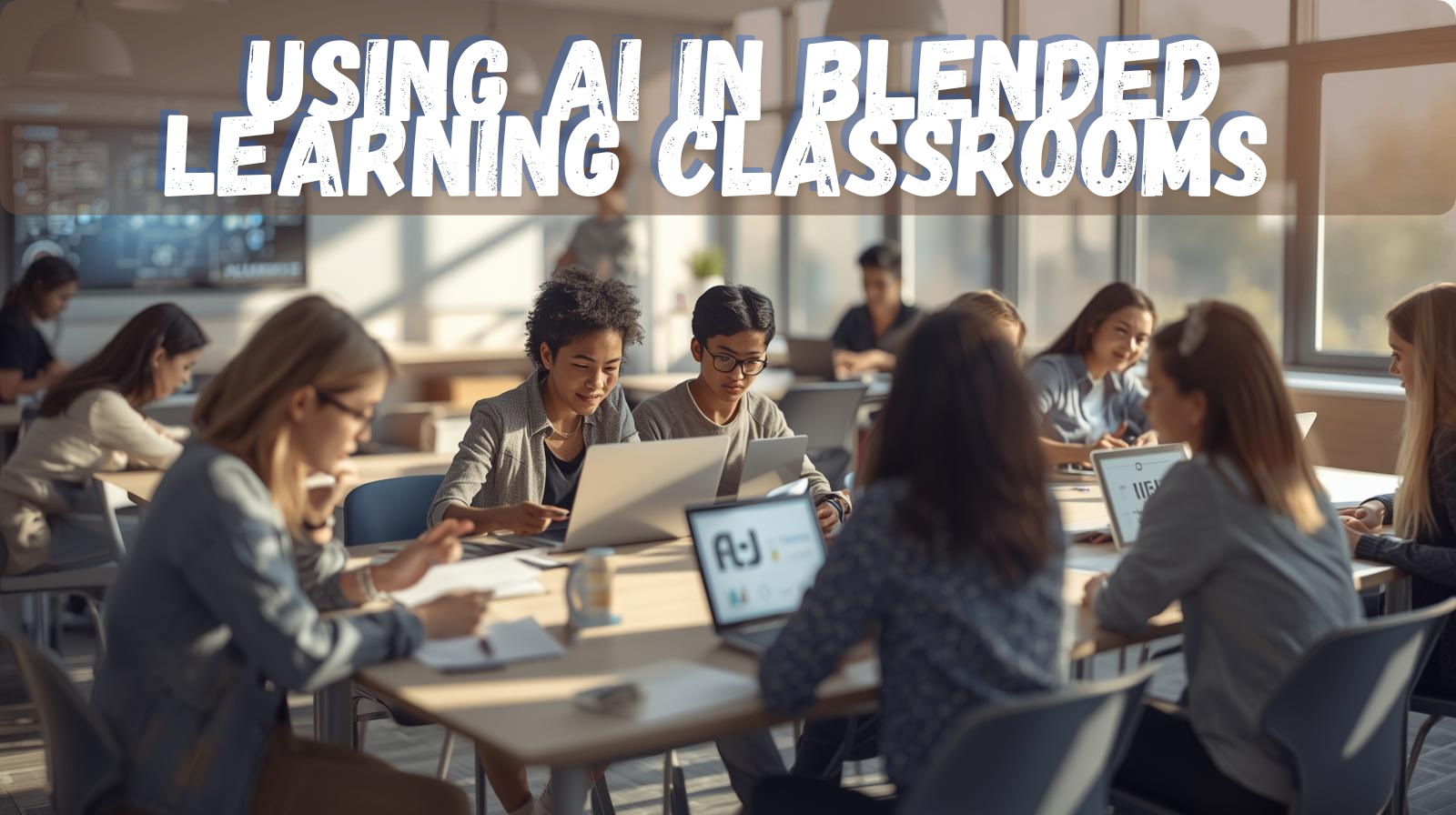
Are you seeing students who score well in English exams but hesitate to speak, or learners who understand concepts yet lack confidence using the language aloud? This gap between marks and real ability is one of the biggest challenges in English education today. In blended learning classrooms, where traditional teaching is supported by digital tools, AI is changing how confidence, fluency, and growth are measured.
AI helps educators measure English learning beyond marks by tracking confidence, speaking comfort, reading progress, and real usage over time. In blended classrooms, tools like zene ai in English learning environments provide insights that tests alone cannot capture.
Why Measuring Confidence Matters in English Learning
Marks reflect accuracy at a fixed moment. Confidence reflects readiness to use the language in real life. In English education, this difference is critical. A student may memorize grammar rules and score well on exams, yet avoid speaking in class or struggle in conversations. Another student may make grammatical mistakes but communicate ideas clearly and confidently.
Blended learning classrooms bring together in-person instruction and digital practice. This model creates more learning touchpoints, but it also exposes a limitation of traditional assessment. Teachers cannot manually track every student’s speaking attempts, hesitation levels, pronunciation improvement, or listening confidence. If confidence is ignored, learning outcomes remain incomplete.
This is why educators are increasingly focusing on tools that measure growth, not just performance.
How AI Fits Naturally into Blended Learning
AI works best when it supports, not replaces, classroom teaching. In blended environments, AI-powered platforms observe learning behavior continuously in the background. A zene ai learning English app does not rely on a single test to judge progress. It tracks how often students speak, how long they respond, how their pronunciation improves, and how their confidence changes with repeated exposure.
This continuous observation aligns perfectly with blended learning, where students move between guided instruction and independent practice. AI fills the gap between what teachers can see in class and what students practice privately.
Confidence as a Skill, Not a Personality Trait
One of the most misunderstood ideas in education is that confidence is a personality trait. In reality, confidence is a skill that develops with safe practice, repetition, and feedback.
Using a zene ai English app, learners practice speaking without fear of judgment. AI-based speech recognition listens patiently, corrects gently, and allows unlimited retries. Over time, students pause less, speak longer, and attempt more complex sentences. These changes are measurable indicators of growing confidence.
AI captures these indicators objectively, helping teachers distinguish between lack of knowledge and lack of confidence.
Speaking Practice Without Classroom Pressure
Many students understand English but fear making mistakes in front of peers. This fear often suppresses participation, especially in large classrooms. A zene ai English speaking app creates a low-pressure practice space where students can experiment with language privately before using it publicly.
From experience in blended classrooms, teachers often observe that students who practice regularly through AI tools begin volunteering answers more frequently. They speak more clearly, hesitate less, and show improved listening comprehension. This transition from private practice to public confidence is one of the strongest benefits of AI-supported learning.
Reading, Listening, and Speaking as One System
Confidence in English does not develop from speaking alone. Reading fluency improves vocabulary recognition. Listening improves pronunciation and rhythm. Speaking integrates both. AI platforms that support zene ai learn to read English treat these skills as interconnected rather than separate.
AI tracks how reading accuracy improves response speed, how listening practice reduces pronunciation errors, and how repeated exposure increases sentence complexity. In blended learning classrooms, this integrated skill tracking gives teachers a complete picture of language growth.
What Teachers Gain from AI Insights
Teachers do not need more data. They need meaningful insights. Tools like zene ai learn English provide clear indicators of progress, such as increased speaking frequency, improved pronunciation scores, and reduced hesitation time.
This allows teachers to focus on targeted support. Instead of guessing who needs encouragement, educators can identify students who understand concepts but lack confidence, or those who are improving steadily but quietly. AI supports differentiated instruction without increasing teacher workload.
From an experience standpoint, teachers report that AI insights help them validate intuitive observations with data, strengthening instructional decisions.
Emotional Safety and Learning Motivation
Confidence grows in environments where mistakes are treated as learning steps. AI provides neutral, immediate feedback without embarrassment. Students are more willing to take risks when errors do not carry social consequences.
In blended classrooms, this emotional safety is crucial. When students feel safe practicing through AI, their motivation increases. They engage more consistently and develop resilience, which directly impacts confidence.
Moving from Exam Scores to Growth Mindsets
Traditional assessments focus on results at a single point in time. AI shifts the focus to growth over time. This change supports a growth mindset, where improvement matters more than perfection.
A student using the zene ai in English ecosystem may still be working on grammar accuracy, but their increased speaking confidence and listening comprehension are visible and valued. Recognizing this progress keeps learners motivated and engaged.
Preparing Learners for Real-World English
The ultimate goal of English education is real communication. Exams are milestones, not destinations. AI-powered platforms prepare students for conversations, presentations, interviews, and everyday interactions.
In blended learning classrooms, AI bridges the gap between curriculum requirements and real-life language use. Students learn not only how English works, but how to trust themselves using it.
Conclusion
Measuring confidence beyond marks is no longer optional in modern English education. Blended learning classrooms demand tools that capture real progress, not just exam performance. AI makes invisible growth visible by tracking confidence, fluency, and engagement over time.
When used thoughtfully, platforms like zene ai learning English app environments empower teachers, support diverse learners, and align assessment with real-world communication goals. Confidence is no longer guessed or assumed. It is observed, measured, and nurtured.
In the future of education, marks will still matter, but confidence will define success.
Book a free Zene AI demo and see how English communication can thrive across classrooms without increasing teacher workload.